Restaurant furniture

buying guide

Everything you need to know when buying furniture for your restaurant, from layout and materials to durability and style.

1. Plan your space

Great dining experiences start with well-planned spaces. The right furniture should support your flow, maximize covers and create an atmosphere your guests love.
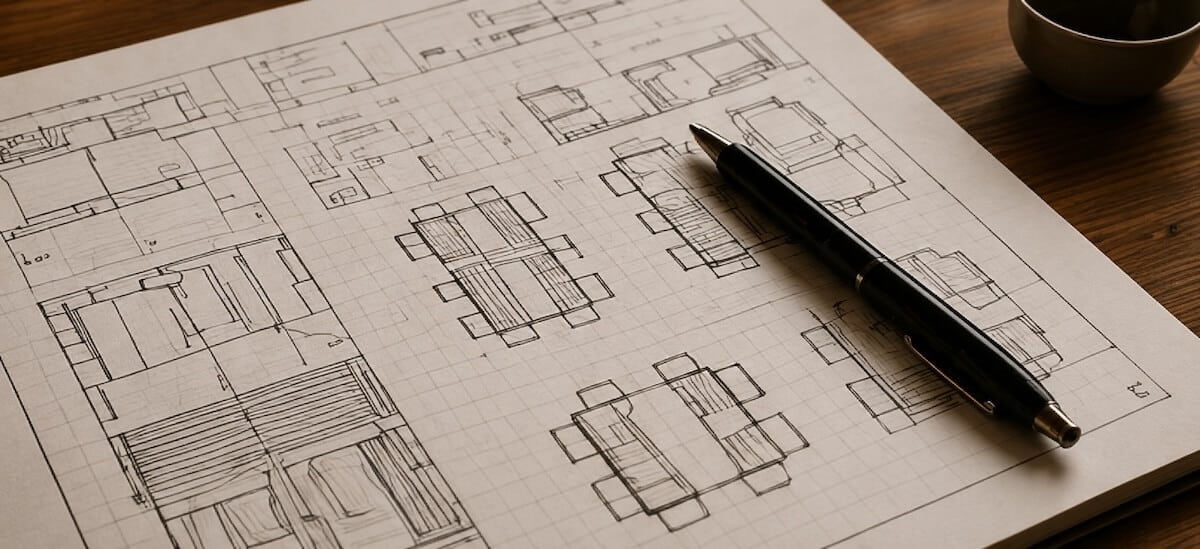
  • Map your floor plan and allow enough space for movement.
  • Consider table sizes that suit your menu and service style.
  • Mix seating types to create zones and cater for different group sizes.
  • Don't forget back-of-house areas like staff rooms and storage.
1. Plan your space

2. Know your materials

Materials affect the look, feel and lifespan of your furniture. Choose the right combination for your environment.
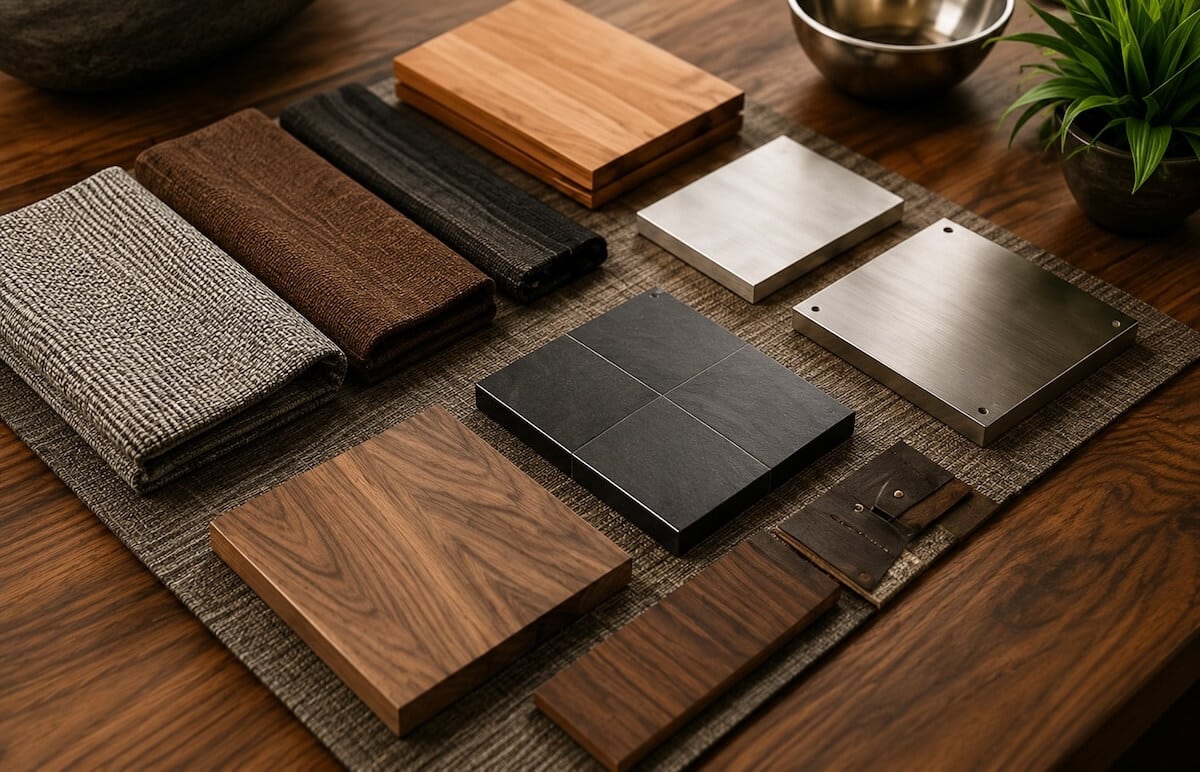
  • Solid wood – timeless and strong, perfect for high-end settings.
  • Metal – extremely durable and ideal for heavy use.
  • Upholstery – opt for commercial-grade fabrics or vinyl for easy cleaning.
  • Laminate & compact top – resistant to scratches, stains and heat.
  • Outdoor materials – aluminum, teak and all-weather wicker perform well in any season.
2. Know your materials

3. Durability matters

Restaurant furniture takes a daily beating. Choosing commercial-quality furniture means fewer replacements and better long-term value.

  • Look for furniture designed and tested for commercial use.
  • Check weight ratings and stackability where needed.
  • Choose finishes that resist scratches, stains and moisture.
  • Invest in quality – it pays off in the long run.
3. Durability matters

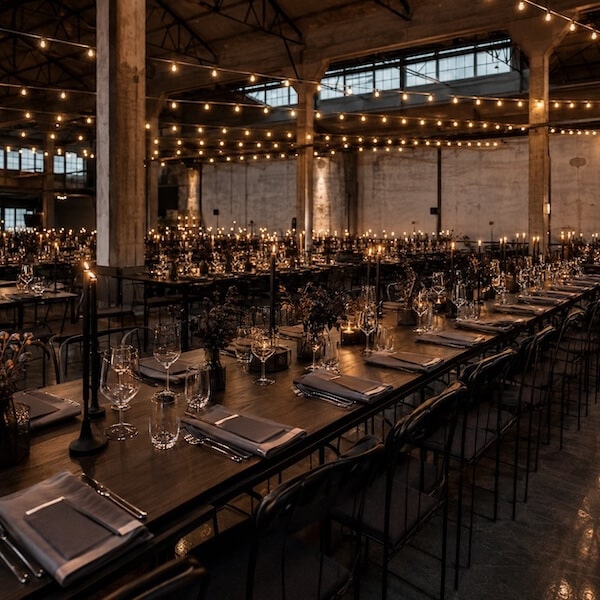
4. Comfort is key

Great dining experiences start with well-planned spaces. The right furniture should support your flow, maximize covers and create an atmosphere your guests love.
  • Map your floor plan and allow enough space for movement.
  • Consider table sizes that suit your menu and service style.
  • Mix seating types to create zones and cater for different group sizes.
  • Don't forget back-of-house areas like staff rooms and storage.
4. Comfort is key

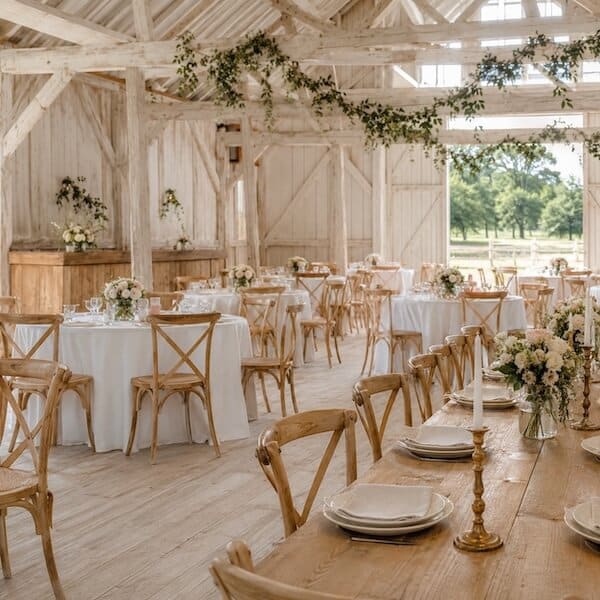
5. Style & branding

Great dining experiences start with well-planned spaces. The right furniture should support your flow, maximize covers and create an atmosphere your guests love.
  • Map your floor plan and allow enough space for movement.
  • Consider table sizes that suit your menu and service style.
  • Mix seating types to create zones and cater for different group sizes.
  • Don't forget back-of-house areas like staff rooms and storage.
5. Style & branding

6. Budget & value

Great dining experiences start with well-planned spaces. The right furniture should support your flow, maximize covers and create an atmosphere your guests love.
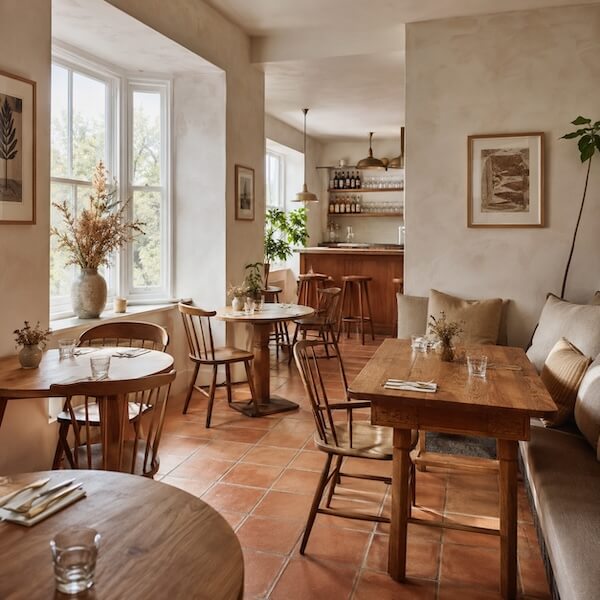
  • Map your floor plan and allow enough space for movement.
  • Consider table sizes that suit your menu and service style.
  • Mix seating types to create zones and cater for different group sizes.
  • Don't forget back-of-house areas like staff rooms and storage.
6. Budget & value

7. Checklist

Great dining experiences start with well-planned spaces. The right furniture should support your flow, maximize covers and create an atmosphere your guests love.
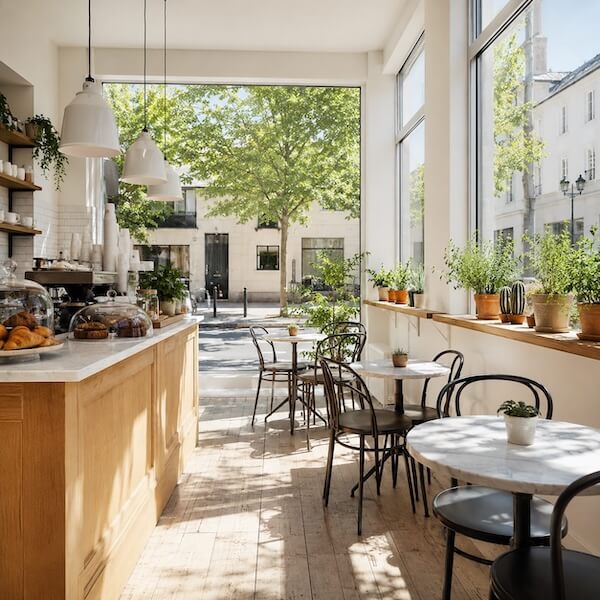

  • Map your floor plan and allow enough space for movement.
  • Consider table sizes that suit your menu and service style.
  • Mix seating types to create zones and cater for different group sizes.
  • Don't forget back-of-house areas like staff rooms and storage.
7. Checklist